
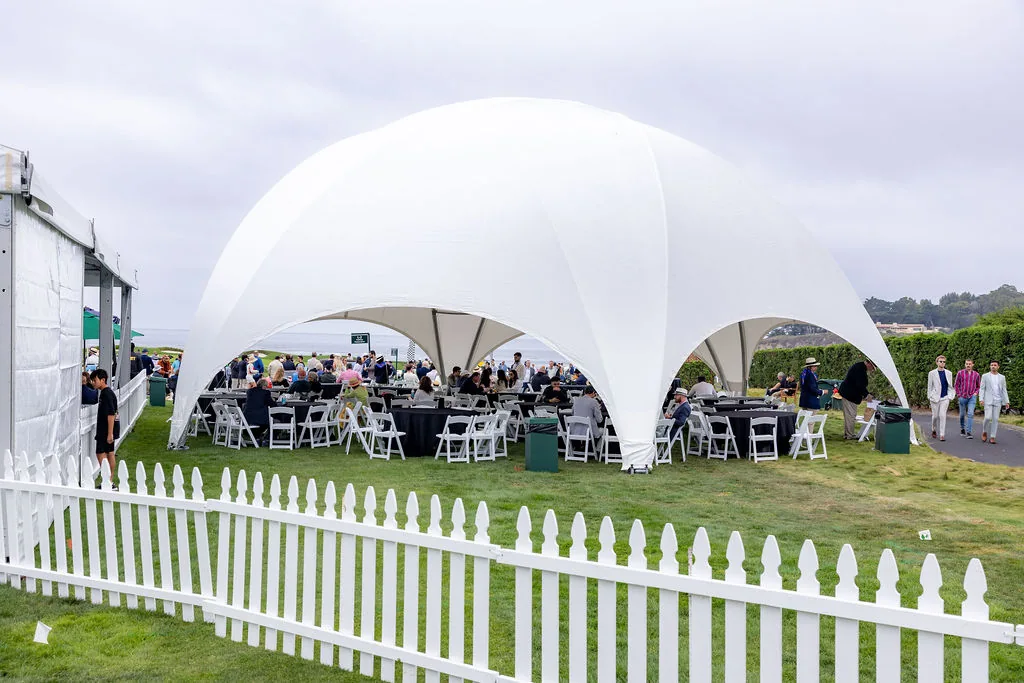
A community festival, city celebration, or regional fundraiser takes shape long before guests arrive. The delivery plan, site decisions, and relationships around the event all influence how smoothly the day unfolds. Working close to home gives us opportunities to understand those details firsthand.
For event producers in the South Bay and greater Los Angeles, proximity can mean more chances to walk a site, coordinate with local partners, and get to know the people affected by the build. Making the most of that access takes intention. These four practices are a useful place to start.
A Place for Everything: Load by Area, Not in Bulk
A truck full of the right equipment still needs a plan for where everything goes. Organize the load around the areas being built, rather than treating the event as one large delivery. Think registration, vendor spaces, hospitality, and backstage support.
For example, identify the tables and chairs assigned to registration before they leave the warehouse. Label them for that destination and coordinate unloading with the crew’s installation sequence. Where truck access allows, place equipment near its intended work area instead of creating one central pile that has to be sorted and moved again.
The takeaway: give equipment a destination before it gets on the truck. A clear area plan helps the crew spend more time building and less time searching.
Think Outside the Tent: Let Experience Shape the Solution
A familiar request does not always need the same answer. A gathering space might need to support morning check-in, afternoon seating, and an evening reception. Before deciding on the setup, ask how the area will be used throughout the day.
Draw on the installation team’s experience to compare workable options. Could a different furniture layout serve several activities? Would moving a tent improve access to nearby services? Talk through the tradeoffs, including the crew time needed to change a space between uses. Versatility works best when the transitions are planned, rather than left for the event team to figure out during the show.
The takeaway: explain the purpose, then explore the solution. Experience is most useful when it informs the plan early.
Close to Home: Turn Proximity into Site Knowledge
Being nearby is an advantage when you use it. Walk the job site before the build and compare the drawing with the actual conditions. Check delivery access, unloading locations, walking routes, and where equipment can wait without blocking other work.
If possible, visit during a time that resembles the planned delivery window. A quiet parking lot at noon may operate very differently during morning school traffic or business deliveries. Use the visit to ask the venue contact about recurring conflicts and confirm which entrances the crew should use.
Share what you learn with the people loading, driving, and installing. A local contact’s knowledge only helps the build when it reaches the team doing the work.
The takeaway: a nearby office does not replace a site walk. Proximity gives you more opportunities to prepare.
Friends in Local Places: Be a Community Ambassador
A community event shares space with people who may never attend it. Introduce yourself and engage with nearby businesses, venue staff, and community partners. Learn what matters to them, whether that is customer access, delivery timing, or keeping a shared walkway clear.
Coordinate with the organizer on who communicates schedule changes and where neighbors can direct questions. During the build, be approachable, listen, and follow through. Respecting the neighborhood includes the departure: keep the work area orderly and address concerns about how the site is left.
The takeaway: make friends before you need a favor. Treat each interaction as part of the event experience and a reflection of the company you represent.
Bring It Home
At Choura, tents and structures, flooring, and furniture are part of what we bring to an event. How we plan the delivery and work with the people around the site matters, too. For your next community or regional event, start with the area plan, invite experienced input, and use local access to build stronger relationships before the first truck arrives.
Talk with Choura about the site and delivery plan for your next event.