A useful event planning questionnaire asks for information the team can act on. It helps you understand why people are attending, how they will arrive and what they need from the venue and programme.
Keep it short, explain why you are asking and identify who will use the answers. For a large event, combine attendee feedback with the producer’s own site, supplier and operating brief.
How did you hear about the event?
This question helps the marketing team understand which channels people remember. Offer clear options and a short optional response when the listed choices do not fit.
Self-reported answers and website attribution measure different things. Use the questionnaire alongside campaign and referral reporting rather than expecting a single answer to describe the whole discovery journey.
How do you feel about the location?
Ask what guests need to know about getting to the site, arrival times and the facilities available. Useful questions focus on practical barriers and information the team can improve.
Turn recurring concerns into clearer arrival communications and a review of guest flow. The indoor-versus-outdoor venue guide can help the production team compare the setting and supporting infrastructure.
What are you hoping to get out of the event?
Someone attending to meet other people may need a different experience from someone focused on a presentation or performance. Ask which activities matter most, without promising a programme that has not been confirmed.
Use the answers to review where people gather, how long they stay and how the event’s spaces connect. A quieter conversation area, a hospitality setting or a different circulation plan may belong in the brief.
Who are you looking forward to seeing?
For a programme with several speakers, artists or sessions, this can help the event team understand likely demand. Make clear which programme details are confirmed.
Attendance preferences are one input, not an approved capacity or crowd plan. Share the pattern with the venue and responsible event teams so it can inform the operating conversation.
What access or dietary arrangements would help you attend?
Invite people to describe the arrangements they need, with a clear contact for follow-up. Avoid asking for diagnoses or unnecessary medical details. Explain who will receive the information and how it will be used.
Pass relevant requests to the responsible venue, catering or event contact through an appropriate private channel. The aim is to improve the arrangements, not collect sensitive information in a general marketing survey.
Event planning questionnaire: a short starting point
- How did you hear about this event?
- What would make the location and arrival information clearer?
- Which parts of the programme are most useful to you?
- Who or what are you most interested in seeing?
- Are there arrangements you would like to discuss privately with the event team?
Adapt the questions to the actual event and remove anything that will not change a decision. Be clear about which answers are optional and avoid repeating information you already hold.
Turn the answers into an event plan
Group recurring themes and assign each one to an owner. Location concerns may affect arrival information; programme preferences may affect the layout; requests for quieter conversation may affect hospitality spaces.
Connect the findings to the site and infrastructure brief. Structures, furnishings and guest routes should support the intended use of the space.
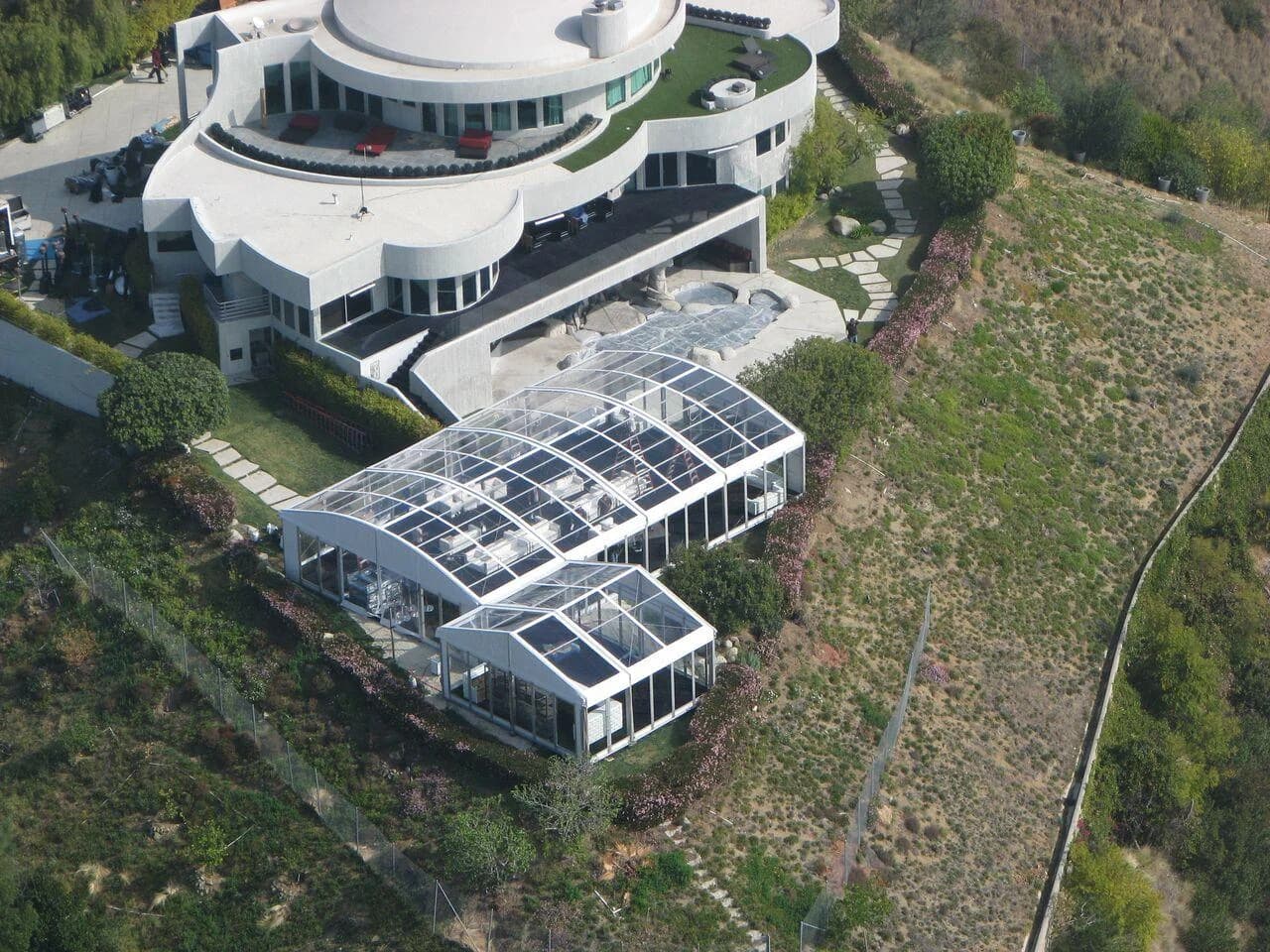
Questions to ask your event production team
Before requesting a build proposal, confirm the location, dates, audience plan, programme, available facilities and supplier responsibilities. Mark which decisions remain open and when they need to be resolved.
Share the event brief with Choura so the structure and infrastructure conversation begins with the needs you have established.