
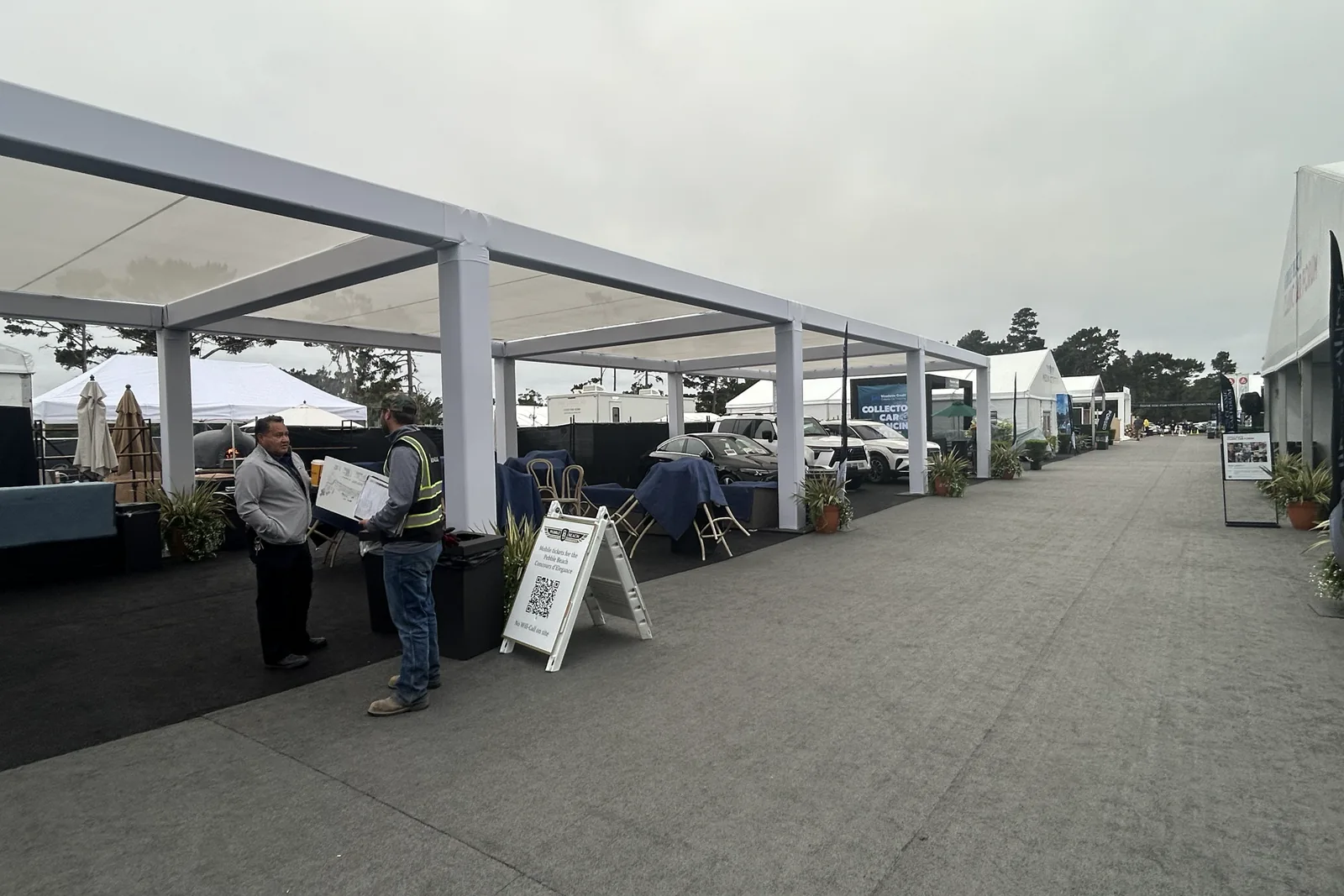
As a project manager working on some of California’s largest events—including the FIFA World Cup, Pebble Beach Concours d’Elegance, Pebble Beach AT&T Pro-Am, US Open of Surfing, and major investor conferences—I’ve seen how much successful execution depends on communication and teamwork. These events require careful planning, but the ability to keep people informed and working toward the same goal is what brings those plans to life.
Each event presents its own challenges, priorities, and expectations. What stays consistent is the need for clear communication, reliable follow-through, and a team that supports one another. Every team member’s contribution matters. A job well done requires consistency from everyone involved, along with an understanding of how their work affects the people around them.
Managing More Than One Timeline
One example is our work at Pebble Beach during Car Week. Managing the overall schedule can mean working with two or three timelines at once. Those timelines need to work together, and a change to one can affect another. As a project manager, part of my responsibility is understanding those connections and making sure an adjustment is clearly communicated before we move forward.
Clients will often ask to move an item earlier or later in the schedule. That flexibility is part of our industry, and accommodating a change can be an important part of delivering what the client needs. The key is making sure everyone affected understands the adjustment and what it means for their responsibilities.
In those situations, I focus on communicating the requested change to all parties involved, confirming how it affects the overall timeline, and making sure everyone is working from the same updated plan. Once we are aligned, we can proceed with the adjustment together.
What might seem like a simple scheduling change can create confusion if only some of the team receives the information. Someone may still be preparing for the original timeline while another person has already shifted to the new one. Clear communication helps prevent that disconnect and gives everyone the opportunity to raise questions or flag a conflict before it affects the work.
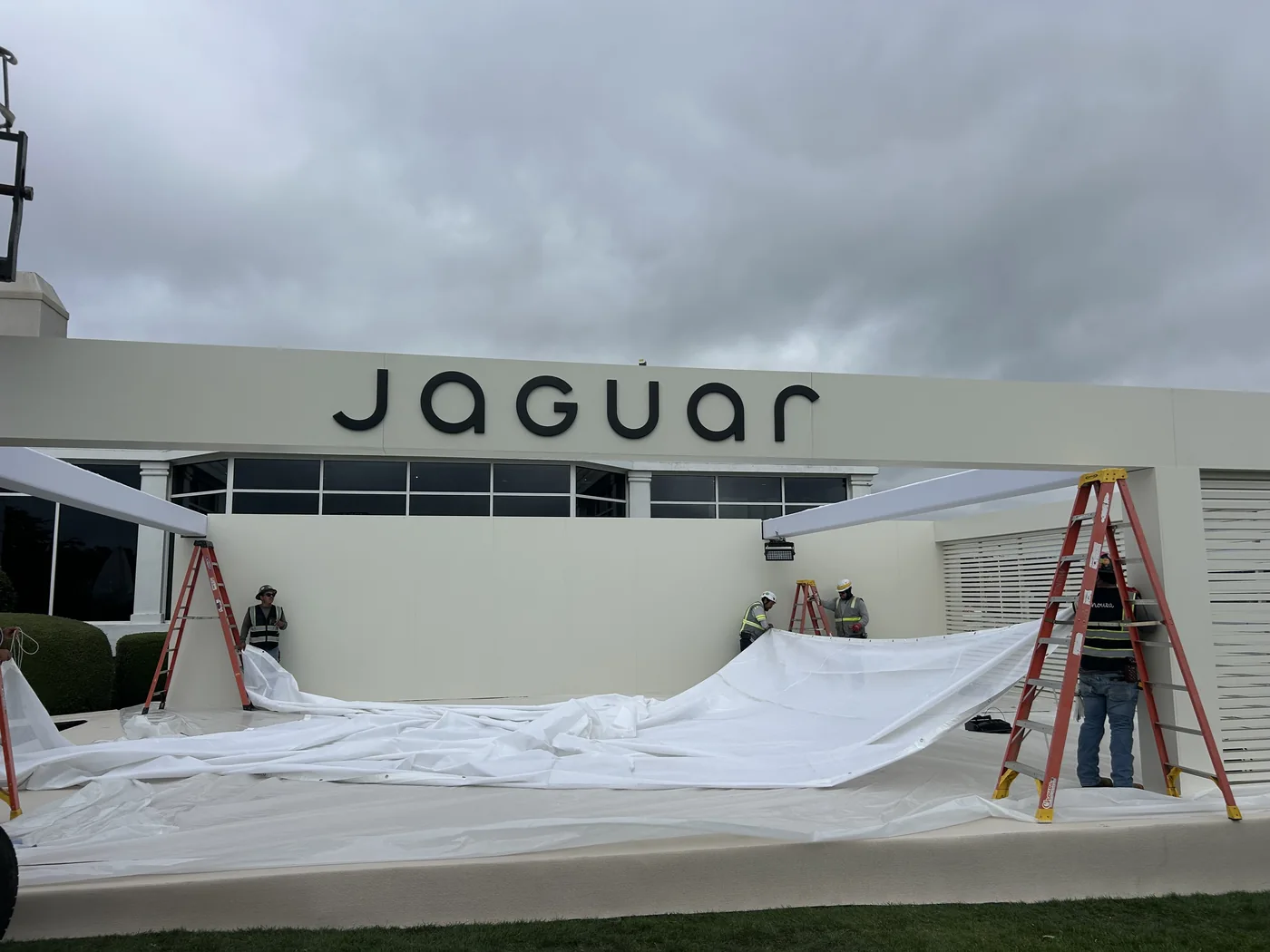
Being Flexible Takes Coordination
The ability to pivot is essential in the events industry. A strong plan gives us direction, but we also need to respond effectively when priorities shift. For me, that means staying flexible while remaining thoughtful about how a change will affect the team and the overall project.
That is where teamwork becomes especially important. An updated schedule only works when the people responsible for carrying it out understand it and can follow through. Keeping that connection between planning and execution takes ongoing conversations, attention to detail, and a willingness to listen to the people doing the work.
That’s something Choura does well. Our teams understand that delivering a great event is a shared effort. We rely on one another to communicate updates, identify challenges, and keep the project moving. That consistency helps us adapt while maintaining a clear sense of what we need to accomplish.
Whether we are coordinating multiple timelines at Pebble Beach or managing the moving parts of another major event, our approach remains the same: communicate clearly, stay adaptable, and make sure the team is aligned before moving forward. Those habits help us turn complex plans into experiences we are proud to deliver. Our team’s goal remains the same: to exceed client expectations every time.
Talk with Choura about the team, site and schedule behind your next event.