A festival or large event build succeeds when the people delivering separate scopes can work from one coordinated plan. Structures, staging, AV, fencing, sanitation and guest operations all need space, access and time.
Choura’s role is temporary structures and event infrastructure. The wider build also involves specialist suppliers and the venue team. Establish their interfaces early, while the site plan and schedule can still change.
Define the event build before comparing suppliers
Write a brief covering the audience, programme, venue, dates and spaces required. Identify what the venue provides and what the event needs to add.
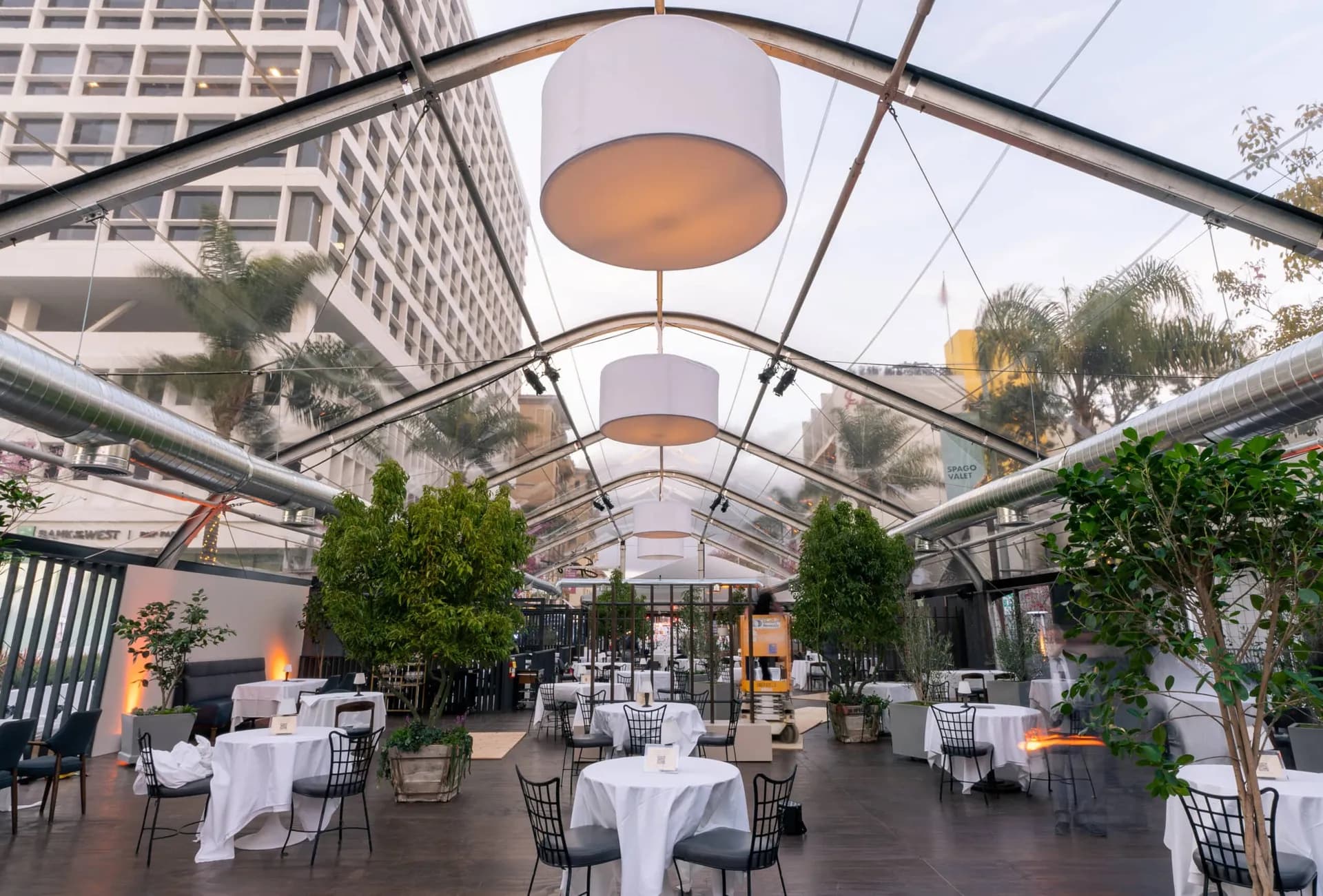
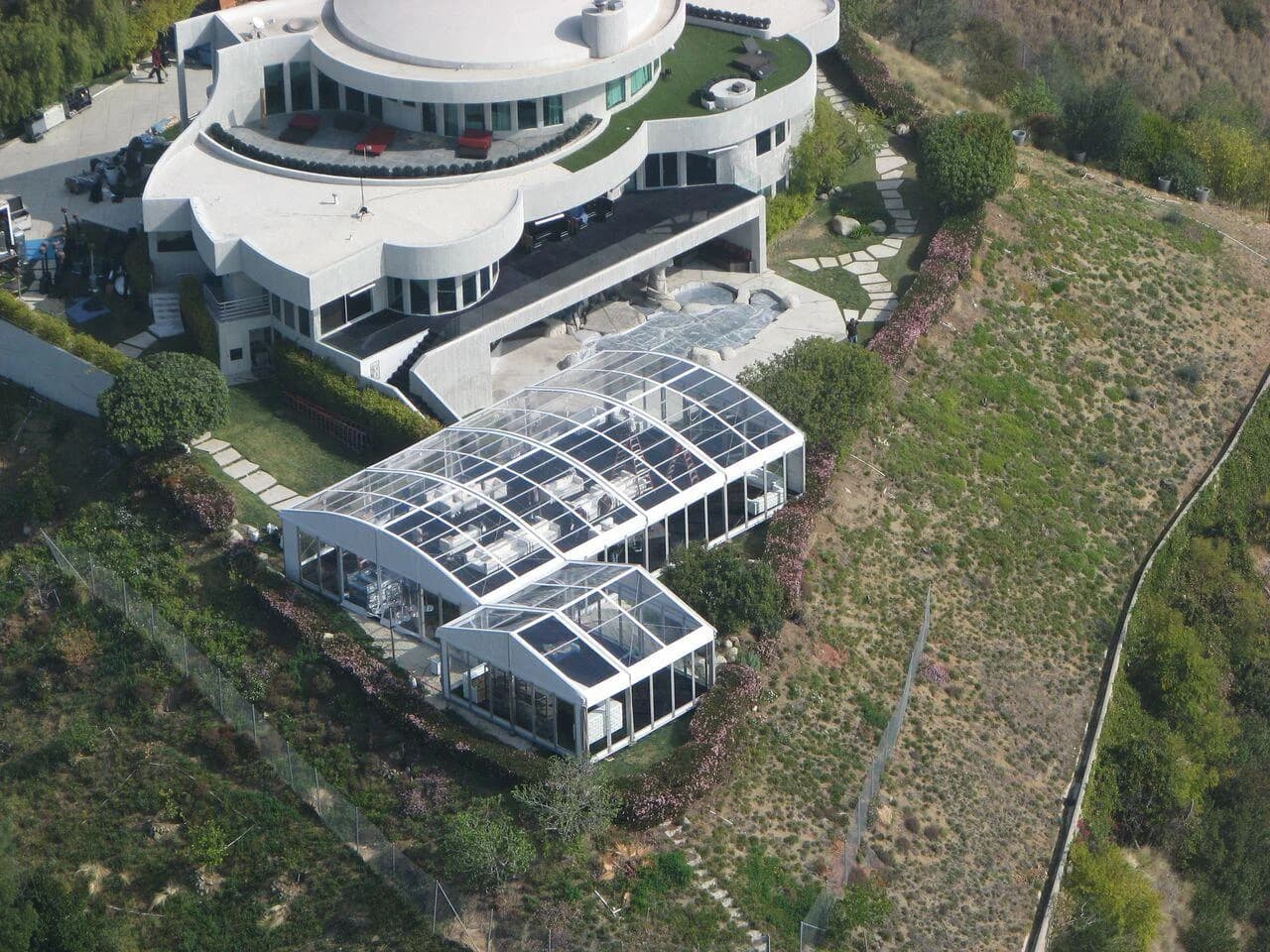
For a festival, include the areas beyond the stage: backstage, hospitality, merchandise, staff facilities, services and delivery routes. Our temporary event infrastructure guide helps frame those spaces.
Put one site plan at the centre
Give the team a shared drawing with a revision owner and a clear date. Record the usable footprint, access, structures, production positions and guest routes. Keep unresolved items visible rather than allowing different suppliers to fill the same gap.
Test the plan against the actual site. Surface information, vehicle routes, restricted areas and venue operating needs can change what is practical to install.
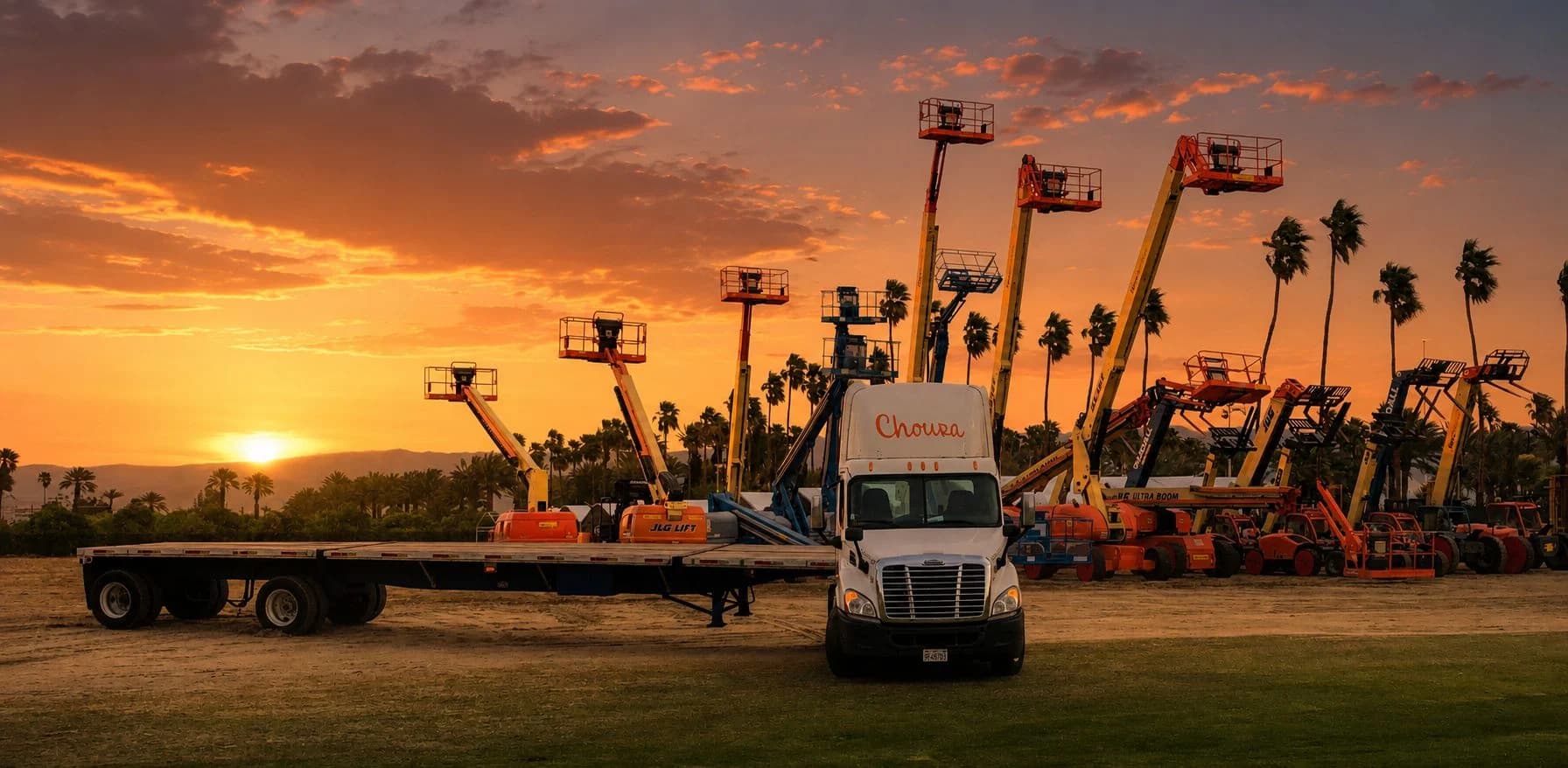
Separate staging from the surrounding infrastructure
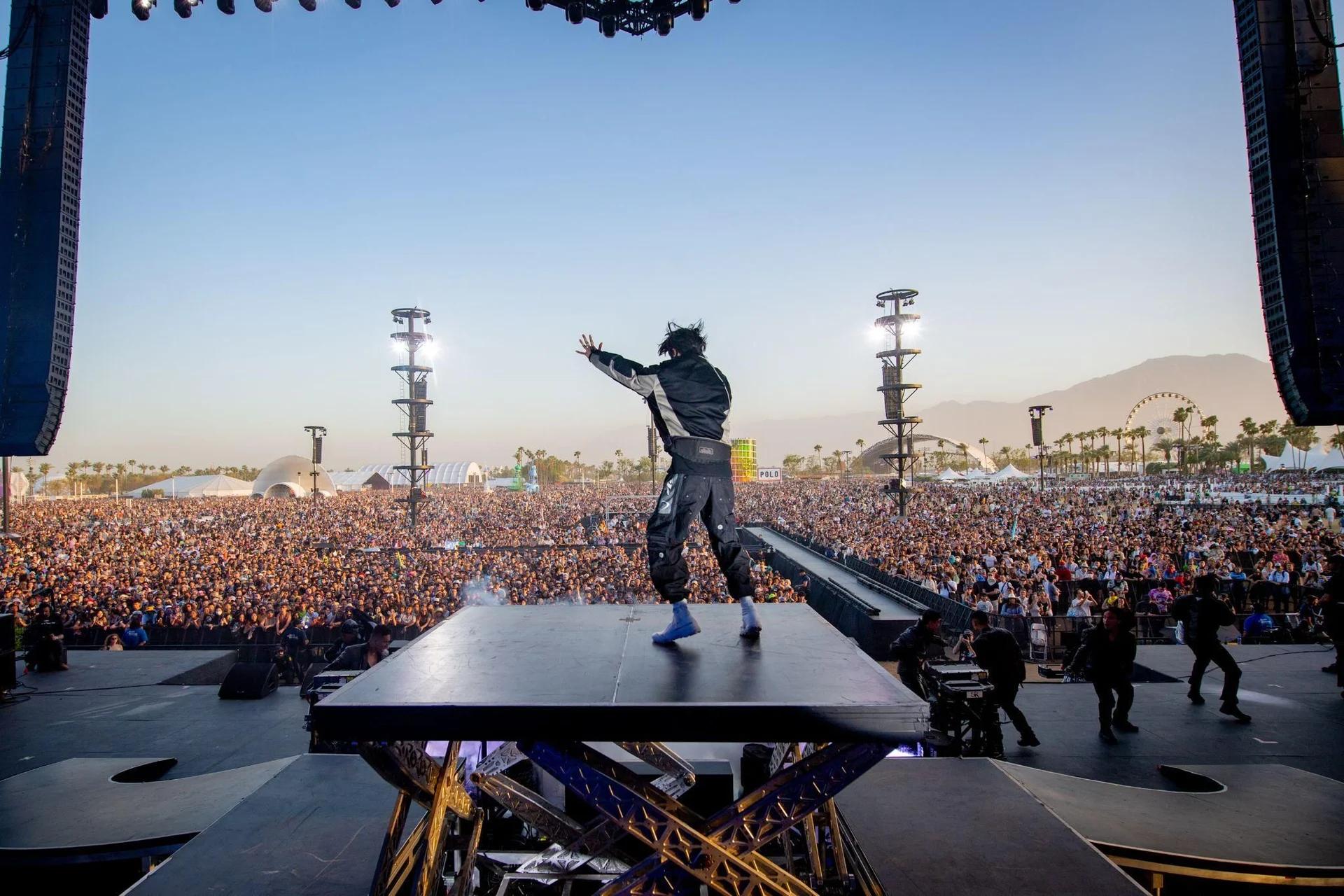
Specialist staging partners resolve the stage, roof and rigging within their agreed scopes. Choura coordinates the temporary structures, flooring and infrastructure around the production.
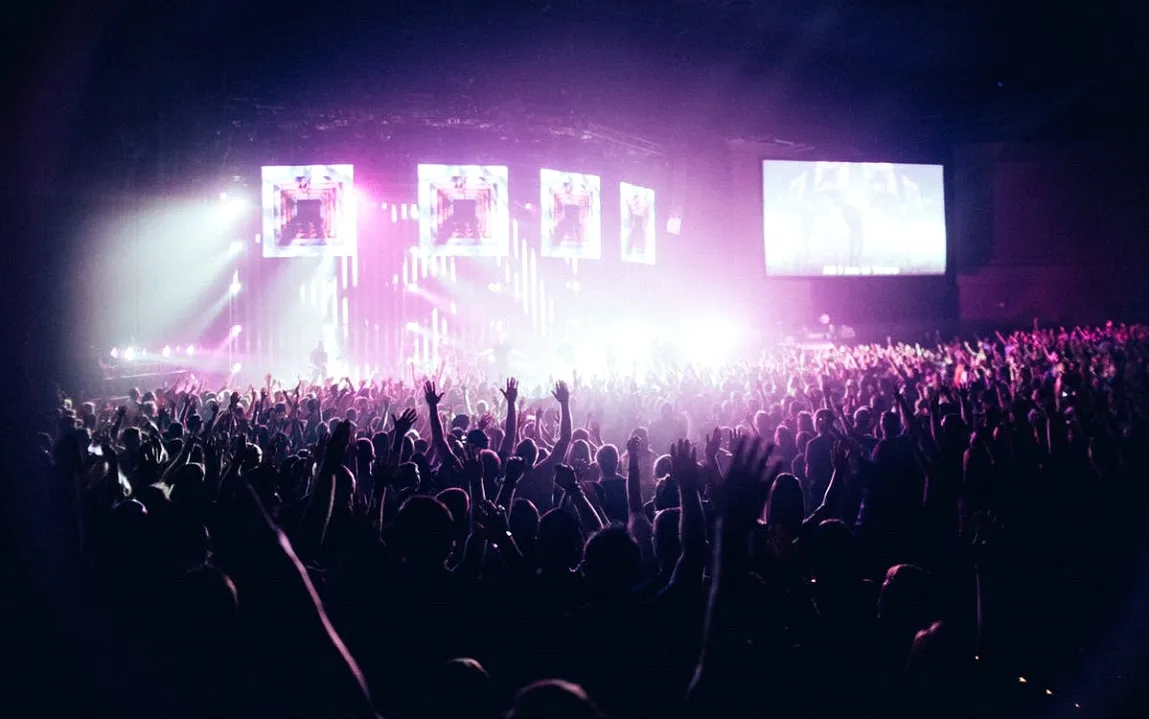
Compare concert stage layouts and prepare a production planning brief. Then agree on the backstage, front-of-house, power and service interfaces with the responsible suppliers.
Work backward from the opening
Map the handover of the site, structure and flooring installation, specialist fit-out, checks, rehearsals and opening. Installation times depend on the real configuration and site conditions; a generic timeline is not a supplier commitment.
Use the event planning timeline to organize milestones, then confirm durations and dependencies with the teams doing the work.
Coordinate supplier handovers
| Interface | What the teams need to agree |
|---|---|
| Structures and flooring | Site readiness, installation sequence, levels and the next trade’s access. |
| Staging and AV | Performance and production areas, equipment positions and operating windows. |
| Fencing and sanitation | Boundaries, entrances, service routes and the space needed for servicing. |
| HVAC and power | Specialist requirements, connection points and continuing service access. |
Agree on who supplies, installs, operates and removes each element. Choura can collaborate with these event companies; it does not replace the staging, AV, HVAC or sanitation specialists.
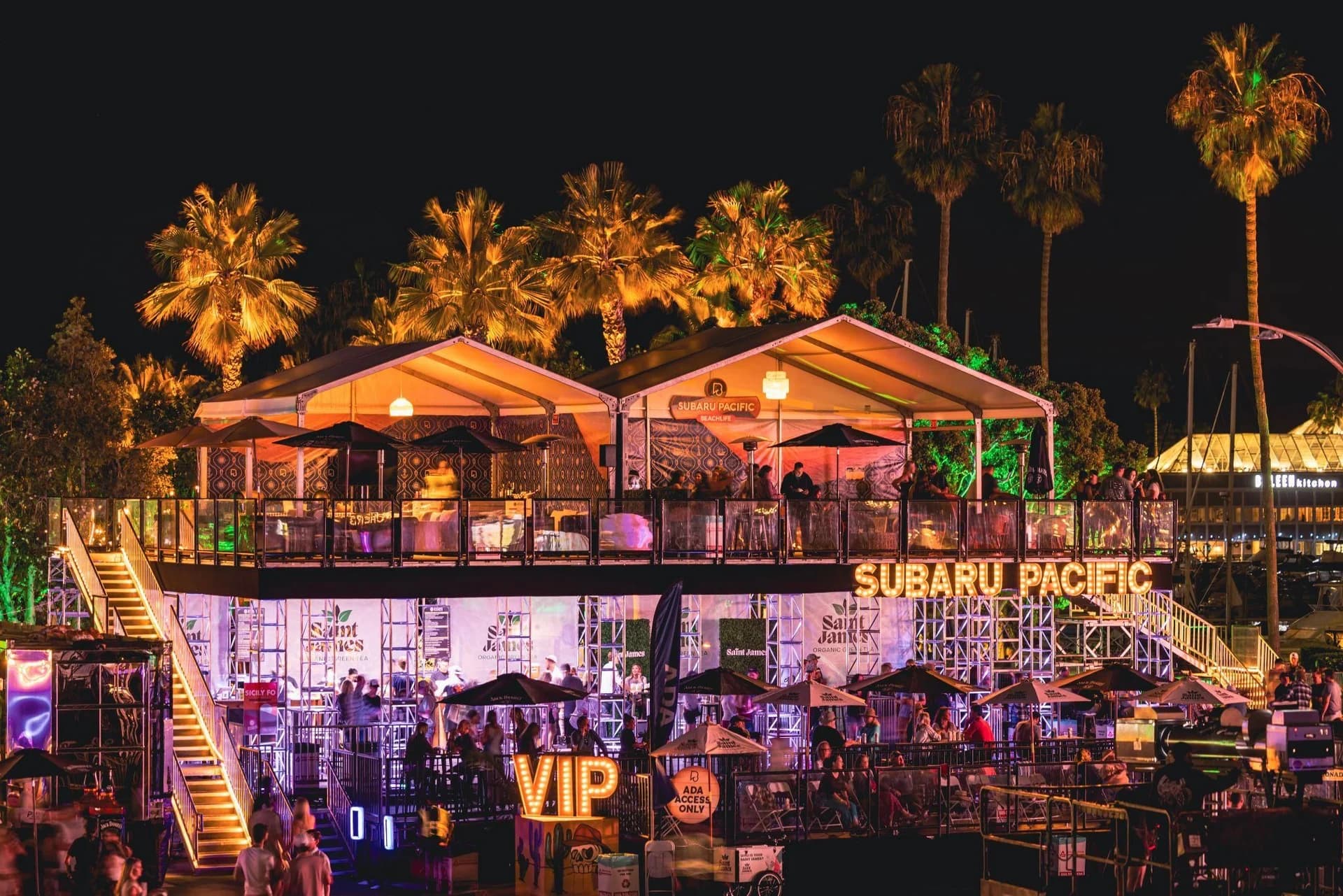
Plan the event-day operation
A site that works during installation must also work once guests arrive. Review the routes and areas used by attendees, performers, crew and deliveries with the responsible venue and event teams.
Establish the weather and communications plan, operational contacts and the process for changes. A clear drawing is useful only when the people on site know which version they are using and who can authorize a change.
Include breakdown and reinstatement
Work through removal in sequence. Identify what must be disconnected, which suppliers need access first and when the venue expects the site back.
Include the return of rental equipment and any agreed reinstatement work in the scope. These requirements belong in the original programme, not only in the final-day conversation.
Bring Choura into the infrastructure brief
Explore our music and festival work and BeachLife Festival project. For a Nevada build, connect with the Las Vegas team; for a California venue, find the relevant regional team.
Share your festival or large-event brief with the location, dates, site information and specialist suppliers already involved.