
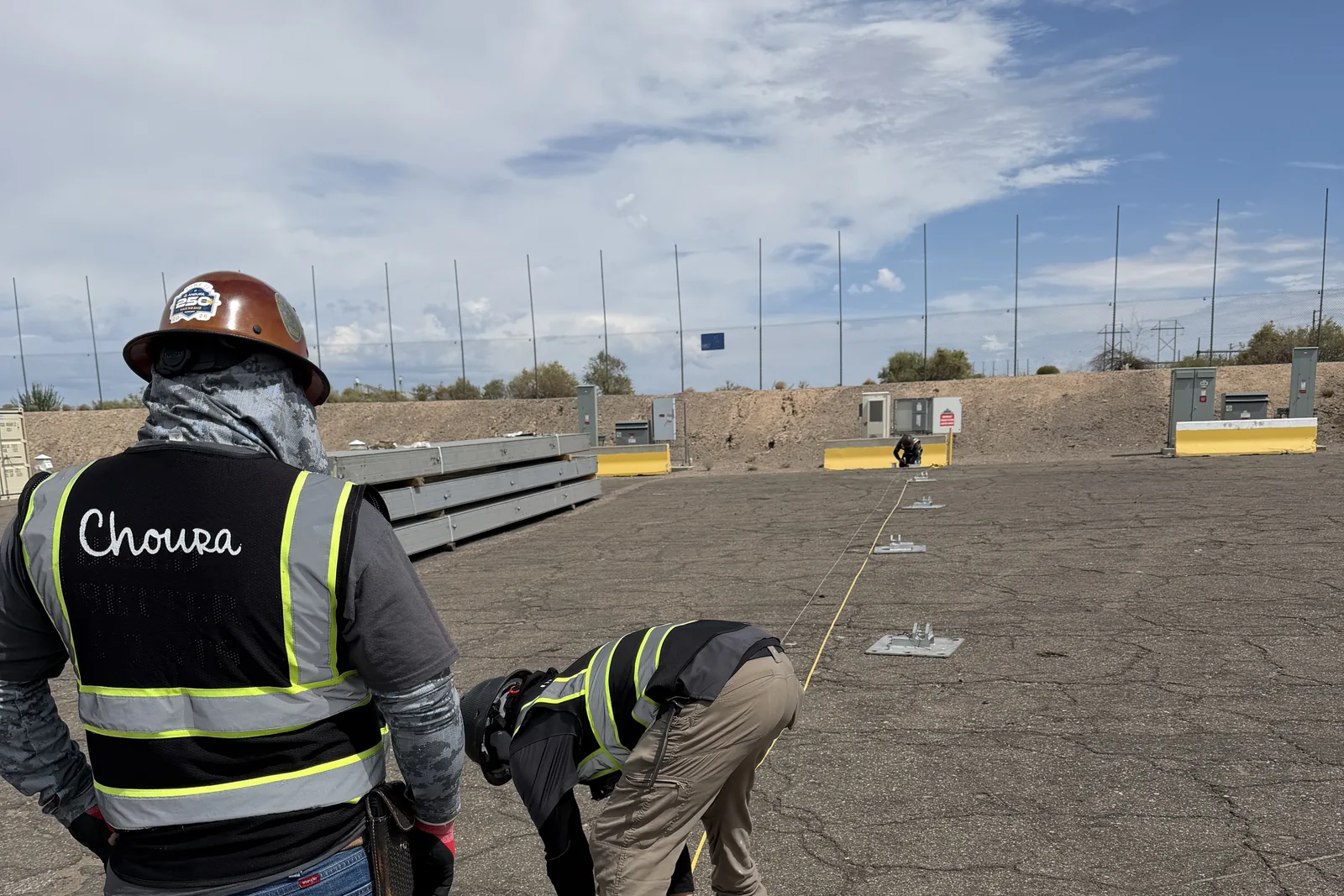
A project manager can help keep an event build on track when many people, deadlines, and site requirements have to come together. The right time to bring one in is usually earlier than clients expect: before plans are locked and key decisions become expensive to change.
Start with the number of moving parts
A straightforward event with a familiar venue, a small team, and a clear scope may not need a dedicated project manager. But the work becomes more complex when several vendors depend on one another, the event includes temporary structures, or the site has tight access and load-in windows.
For example, a structure may depend on a confirmed site plan, engineering details, permits, utilities, delivery access, and crew scheduling. A change to one can affect several others. A project manager helps connect those details so the team can spot conflicts while there is still time to adjust.
Bring one in before the plan is set
If you are still choosing a venue, deciding what to build, or setting the event schedule, that is a useful time to involve a project manager. Early planning gives the team a chance to check whether the site, scope, and schedule work together.
Waiting until every choice is final can make revisions harder. A site visit may reveal a restricted route. A venue may have specific rules for deliveries or installation. A build may need engineering or permitting steps that affect the timeline. Finding these constraints early helps the team make informed decisions before they turn into last-minute problems.
Look for these signs
Consider dedicated project management if:
Several vendors, departments, or client stakeholders need to coordinate.
Your event includes tents, staging, flooring, elevated platforms, or other temporary infrastructure.
The venue has limited access, restricted work hours, or a short build window.
Your event is outdoors or in a space that needs significant transformation.
The scope, schedule, or responsibilities are still changing.
You need one person to track open questions, decisions, and next steps.
Any one of these can add coordination work. When several apply at once, project management can give the team a clearer path from planning through installation and event close.
What should a project manager handle?
At the start, agree on the scope: what is included, who owns each decision, and what information is still needed. From there, the project manager can maintain the schedule, track dependencies, coordinate handoffs, and keep the right people informed as plans develop.
A useful project plan answers practical questions: What needs approval, and by when? Which teams need access to the site? What must be complete before installation begins? Who should be contacted if a change affects timing, cost, or safety?
The exact responsibilities depend on the project. An event producer, venue team, and project manager may share or divide work in different ways. Make those boundaries clear at the outset so nothing falls between teams.
A quick test before you start
Ask yourself: Do we know what is being built, who is responsible for each part, and what has to happen before the next milestone? If the answers are unclear—or if one change could affect several teams—it may be time to bring in a project manager.
Good project management does not remove every uncertainty from a live event. It makes the work visible: the decisions, dependencies, and responsibilities that help a plan move from an idea to a build on site. Bring that perspective in early, and your team has more room to solve challenges before event day.
Talk with Choura about the decisions and coordination your event build needs.